Branded products
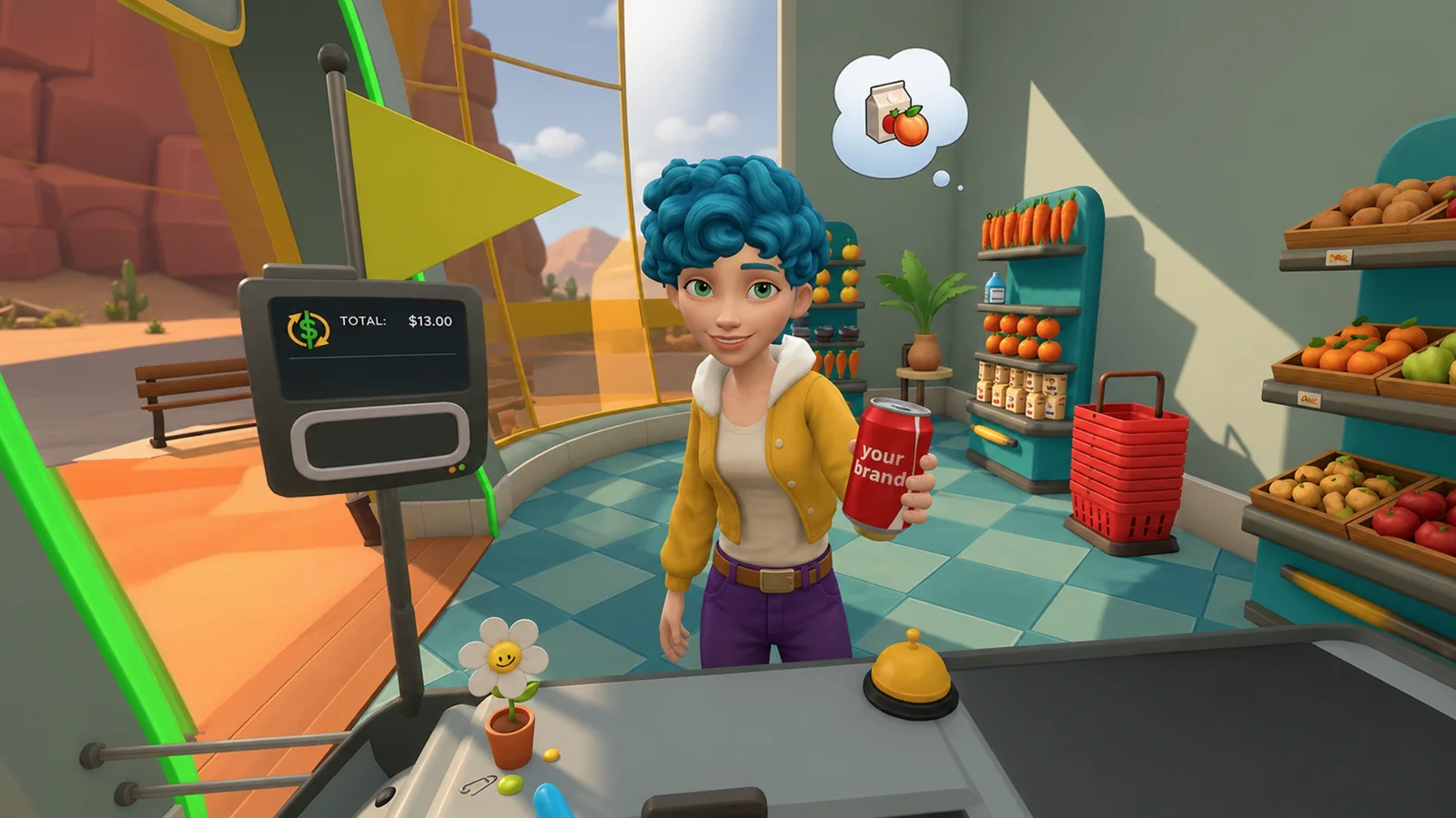
Wrap our mesh around a prop your scene already has and let it wear a brand — packaging arrives as a texture, AI-restyled in your art direction. The object stays yours; only its surface changes.

Any surface in your game can become a paid brand placement — AI-restyled to match your art direction. No interstitials, no pause, no code in your gameplay loop.
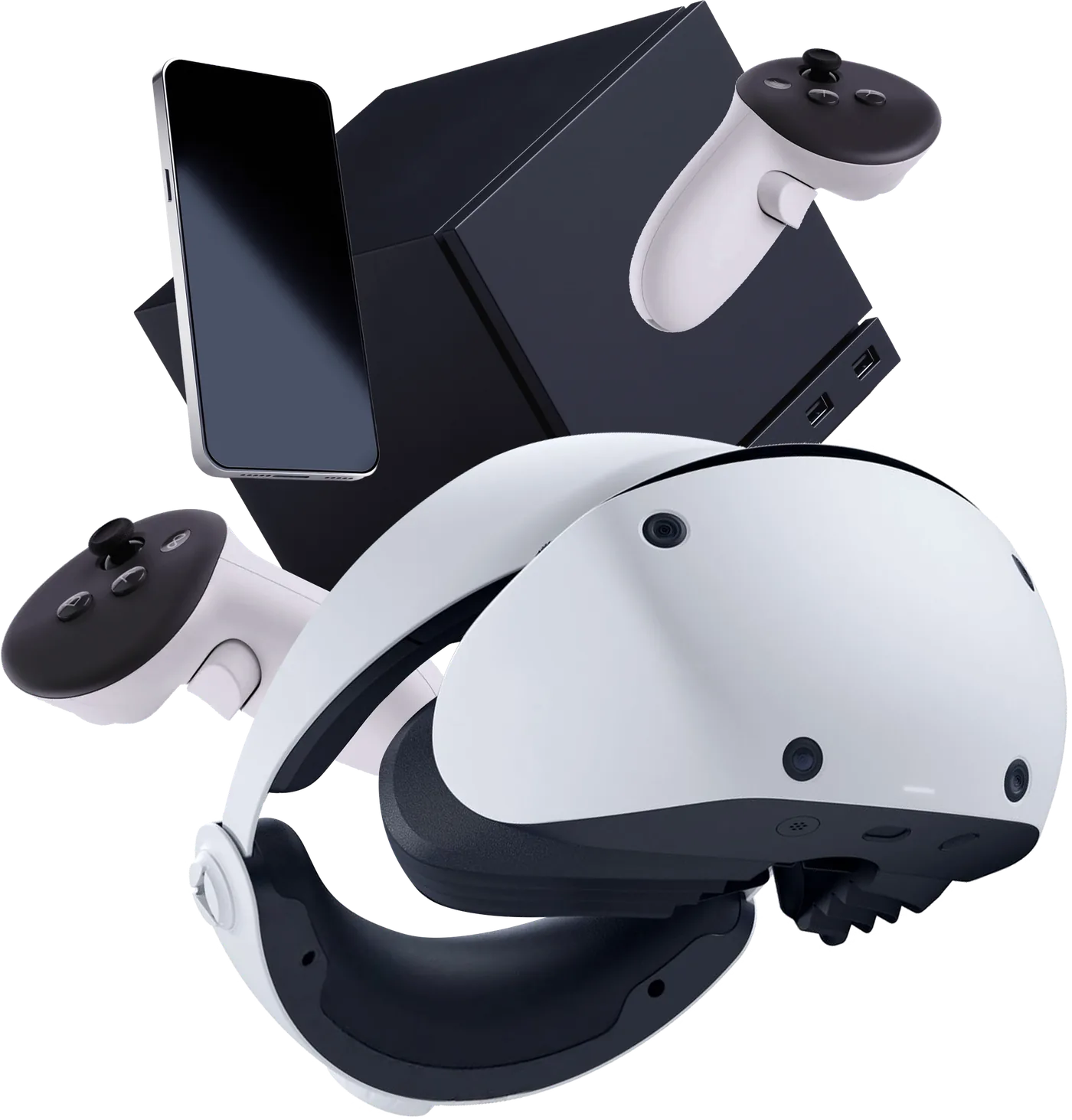
How it worksVR is where we put our weight first. A headset has no corner of the screen to hide an interstitial in and no way to skip one, so an ad either belongs in the world or it ruins it. The same technology runs on mobile, and the same SDK covers that build when your studio ships one.
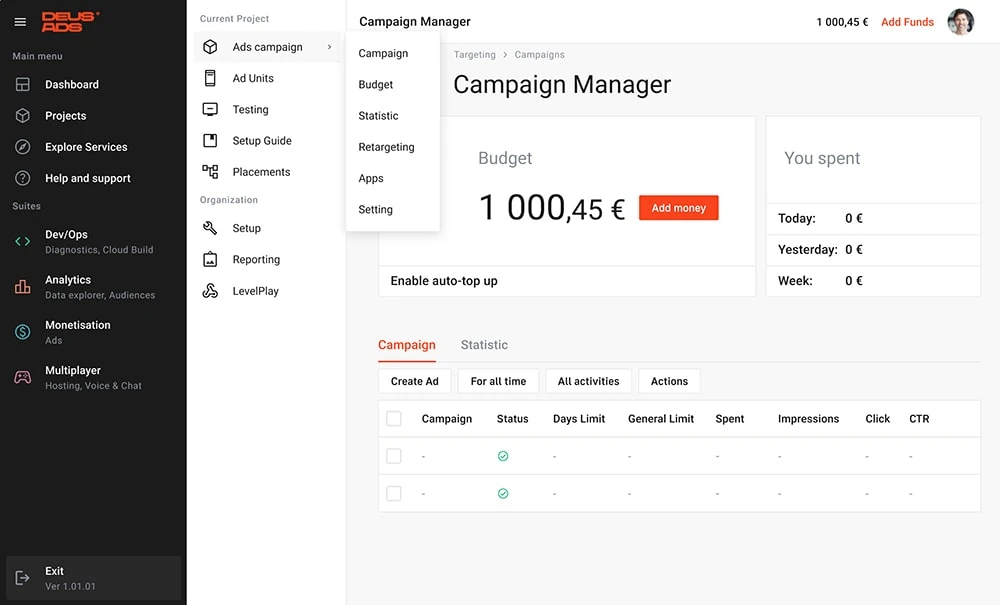
Here is the whole process from where you sit. You open up the space once; everything after that happens on our side and lands in your dashboard.
Drop our mesh wherever the integration guideline recommends for your kind of scene, and bend it to fit the surface. Drag, size, done. It takes an afternoon and no gameplay code.
We bring advertisers to your placements and book campaigns against them. You've already said which categories and brands are allowed, so only the ones that fit your world get in.
Our AI restyles the creative into your game's own visual language — voxel, low-poly, hand-painted, photoreal — and hands over a finished asset. It arrives in your manager for approval: nothing you haven't signed off appears in your game.
Every impression is measured for what the player actually saw, shows up in your dashboard the same day, and pays out as your share of what the advertiser spent.
Which formats belong in your project, and where they sit, is your call to make. Making sure each one holds up is ours.
Wrap our mesh around a prop your scene already has and let it wear a brand — packaging arrives as a texture, AI-restyled in your art direction. The object stays yours; only its surface changes.
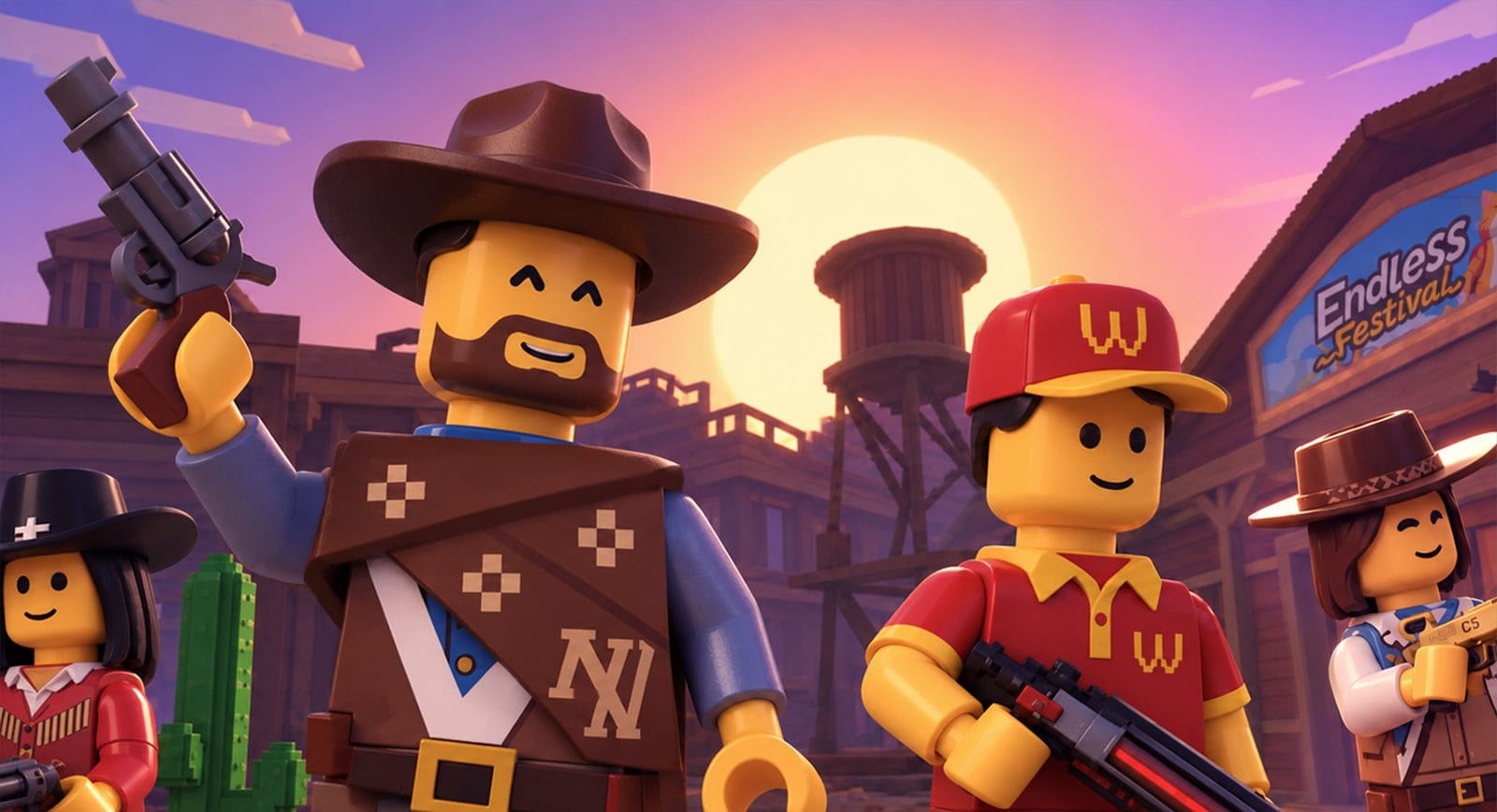
Brand identity carried by outfits, props and mascots, redrawn in the game's own visual language rather than pasted on as a logo.
* This format is still in development.
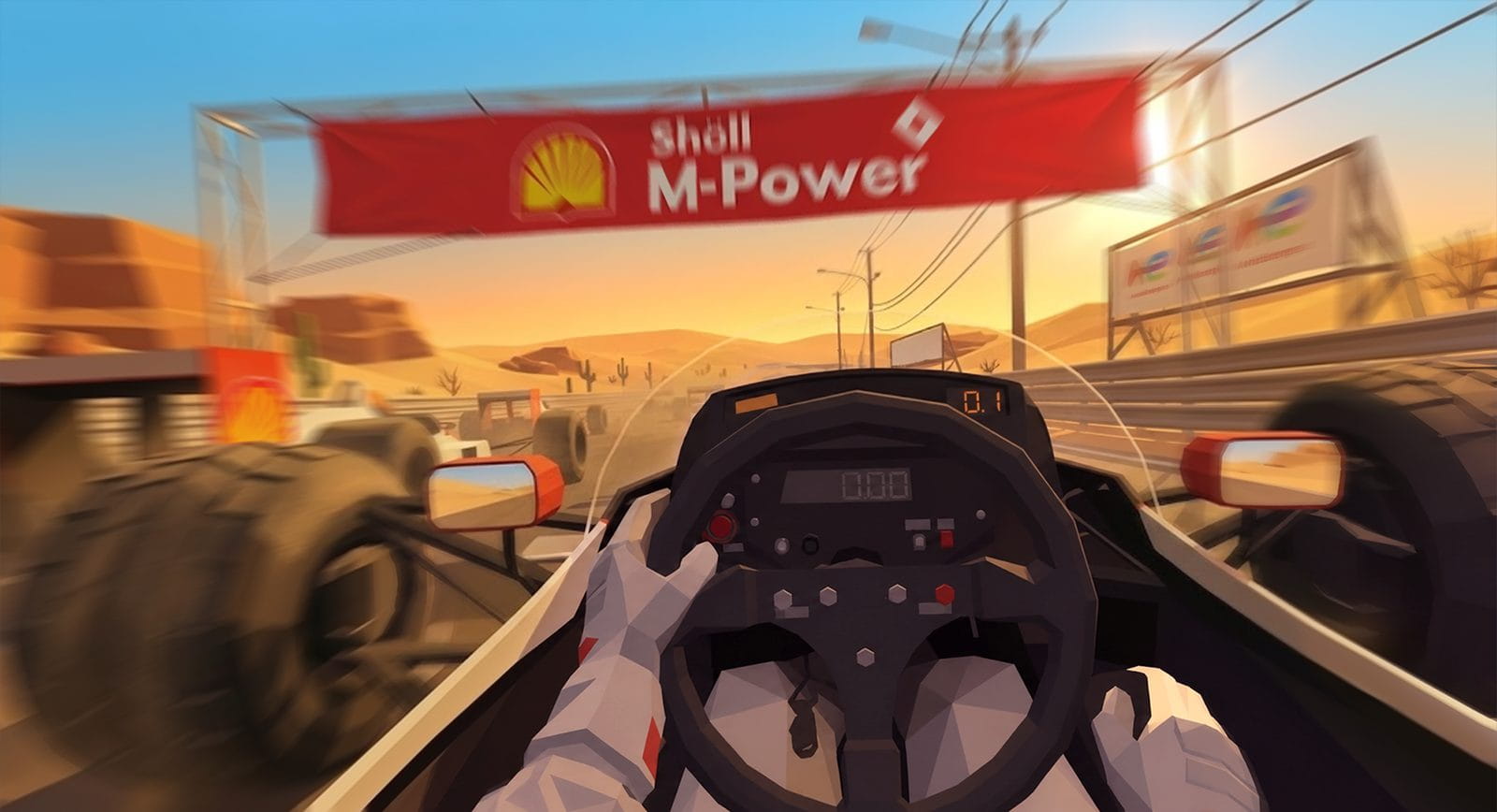
Put our mesh where the eye already travels — flat or curved — and the creative lands on it as a texture already styled to match your art direction. Nothing new to model.
An indie team shouldn't have to restructure a project to add a revenue stream. Everything below is a design constraint we hold ourselves to, not a feature list.
A placement is our mesh, dropped into your scene. Move it, resize it, bend it around a curved wall — all in the scene view, none of it in code.
Headsets give you no slack on frame time, so the SDK takes none. A placement is a static mesh with a texture on it, not a runtime ad view drawn over your scene, and impression tracking stays off the main thread — your frame rate holds, and so does the player's sense of being there.
The AI styling runs on our servers, ahead of time. By the time anything reaches a headset it is a finished, optimised texture that loads from our servers onto the mesh in your scene, with no extra runtime permissions.
When a placement isn't sold, it runs cross-promo for other titles on the network. Free traffic for your game on their surfaces, and theirs on yours.
Every impression records time on screen, viewing angle and apparent size. A placement the player never actually looked at doesn't count — and doesn't get billed.
Targeting works from the game and the scene, not from an advertising ID. Nothing about the SDK forces a consent prompt into your onboarding.
Your world is your reputation. The dashboard gives you a veto at every level, down to a single placement in a single scene.